Foot And Ankle Pain in Dance
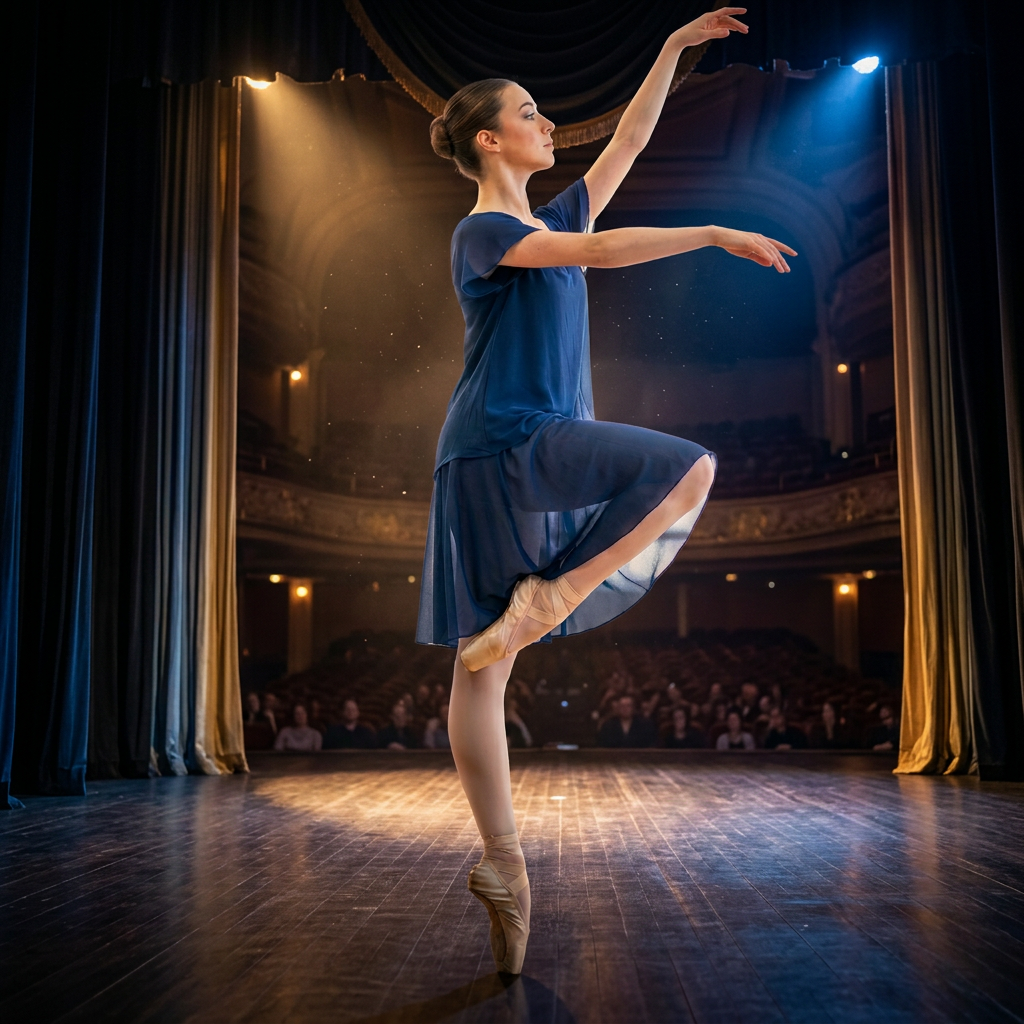
Hours of rehearsals, pointe work, jumps, and repetitive movements can place significant stress on a dancer’s feet and ankles. If pain or injury is affecting your performance, our podiatry team provides specialized care for dancers and ballet performers to relieve discomfort, restore strength, and help you return to the studio with confidence.
| Injury/ Condition | Common Causes in Dance & Ballet | Typical Patient Treatments | Preventive Measures |
|---|---|---|---|
| Ankle Sprains | Landing incorrectly from jumps, rapid changes in direction, loss of balance, and dancing on uneven surfaces. Common in ballet, jazz, and contemporary dance. | RICE (Rest, Ice, Compression, Elevation), bracing, physical therapy, balance training, and gradual return to activity. | Strengthen ankle stabilizers, practice proper landing mechanics, improve balance, and wear appropriate dance footwear. |
| Achilles Tendinitis | Repetitive jumping, pointe work, relevés, and excessive strain on the Achilles tendon. | Rest, ice, stretching, physical therapy, activity modification, and orthotics when needed. | Regular calf stretching, gradual training progression, proper warm-ups, and maintaining calf strength and flexibility. |
| Stress Fractures | Repetitive impact from jumping, overtraining, inadequate recovery, poor nutrition, and dancing en pointe. Commonly affects the metatarsals and lower leg bones. | Activity restriction, immobilization, protected weight-bearing, rehabilitation, and gradual return to dance. | Increase training gradually, allow adequate recovery, maintain proper nutrition, and address pain early. |
| Plantar Fasciitis | Repetitive loading of the arch, extensive rehearsals, jumping, and inadequate foot support. | Stretching, physical therapy, orthotics, supportive footwear outside the studio, ice, and activity modification. | Strengthen foot muscles, stretch the calves and plantar fascia, avoid overtraining, and wear supportive shoes when not dancing. |
| Posterior Ankle Impingement (“Dancer’s Heel”) | Frequent pointe work and extreme plantarflexion that compresses structures at the back of the ankle. Particularly common in ballet dancers. | Rest, anti-inflammatory treatment, physical therapy, immobilization in some cases, and surgery for persistent symptoms. | Limit excessive pointe work when symptomatic, improve technique, strengthen supporting muscles, and avoid overtraining. |
| Flexor Hallucis Longus (FHL) Tendinitis | Repetitive pointe work and toe flexion movements that overload the tendon controlling the big toe. Often called “dancer’s tendonitis.” | Rest, physical therapy, activity modification, anti-inflammatory treatment, and strengthening exercises. | Proper pointe technique, progressive training, adequate recovery, and strengthening of foot and ankle muscles. |
| Sesamoiditis | Repeated pressure beneath the big toe joint from relevés, jumps, and dancing en pointe. | Offloading pads, orthotics, rest, footwear modifications, and activity reduction. | Limit excessive forefoot loading, use proper dance technique, and address pain before it worsens. |
| Metatarsalgia | Constant forefoot pressure from jumps, turns, relevés, and pointe work. | Orthotics, cushioning, activity modification, physical therapy, and footwear adjustments. | Proper dance shoe fit, strengthening intrinsic foot muscles, and reducing excessive forefoot stress. |
| Bunions | Genetic predisposition combined with repetitive pressure from pointe shoes and extreme foot positions. | Wider footwear outside of dance, padding, orthotics, activity modification, and surgical correction when necessary. | Proper shoe fitting, early monitoring of deformity progression, and avoiding excessive pressure on the big toe joint. |
| Turf Toe | Hyperextension of the big toe during jumps, landings, and push-offs. | Rest, taping, stiff-soled footwear, anti-inflammatory treatment, and rehabilitation. | Proper technique during landings and push-offs, strengthening foot muscles, and avoiding excessive training when symptomatic. |
| Toe Fractures & Foot Fractures | Falls, awkward landings, repetitive stress, or direct trauma during rehearsals and performances. | Immobilization, protected weight-bearing, rehabilitation, and occasionally surgery. | Maintain proper technique, use safe dance surfaces, and address pain or swelling immediately. |
| Blisters & Toenail Injuries | Friction from pointe shoes, repetitive movement, and poorly fitted dance shoes. | Padding, wound care, shoe modifications, and nail management. | Proper shoe fitting, moisture management, protective padding, and regular foot care. |
| Muscle Strains (Foot, Calf, and Lower Leg) | Overstretching, fatigue, inadequate warm-up, and repetitive high-intensity movements. | Rest, stretching, physical therapy, strengthening, and progressive return to activity. | Dynamic warm-ups, strength training, flexibility programs, and proper recovery between sessions. |

