Foot And Ankle Pain in Outdoor Activities and Sports
Running, jumping, and other high-impact outdoor activities can place significant stress on the feet and ankles. If you’re experiencing persistent pain, swelling, instability, or a sports-related injury, our podiatry team can provide expert diagnosis and treatment to help you recover safely and get back to the activities you enjoy.
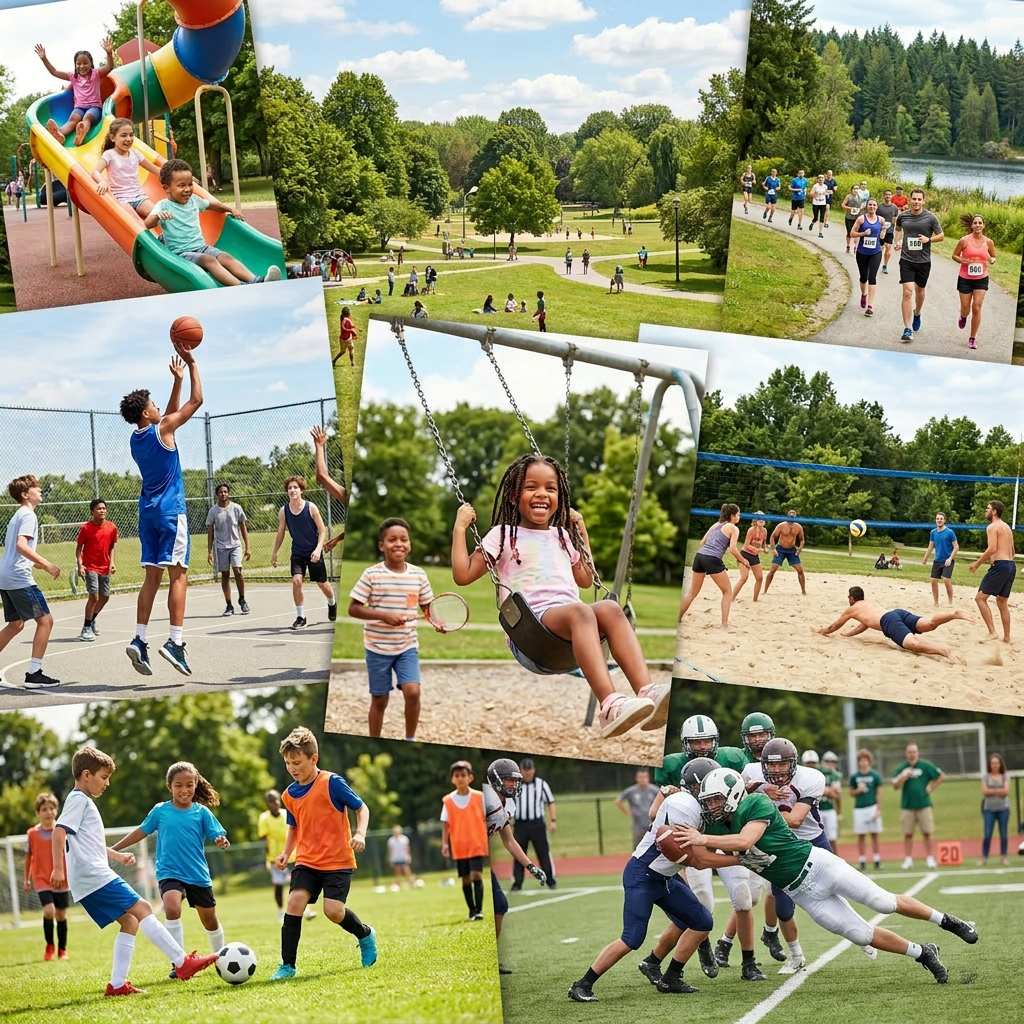
| Injury / Condition | Common Causes in Outdoor Sports & Activities | Typical Patient Treatments | Preventive Measures |
|---|---|---|---|
| Ankle Sprains | Sudden changes in direction, uneven playing surfaces, awkward landings, collisions, and stepping on another player’s foot. Common in football, soccer, basketball, track, and playground activities. | RICE (Rest, Ice, Compression, Elevation), bracing, physical therapy, balance training, and gradual return to sports. | Strengthen ankle stabilizers, improve balance, wear appropriate footwear, and use proper sport-specific techniques. |
| Achilles Tendinitis | Repetitive running, sprinting, jumping, and sudden increases in training intensity. Common among runners, soccer players, and football athletes. | Rest, stretching, physical therapy, activity modification, orthotics, and progressive strengthening. | Gradually increase training loads, stretch regularly, warm up properly, and maintain calf strength and flexibility. |
| Plantar Fasciitis | Repetitive impact from running, jumping, prolonged standing, and inadequate footwear support. | Stretching, physical therapy, orthotics, supportive footwear, ice, and activity modification. | Wear supportive shoes, stretch the calves and plantar fascia, maintain flexibility, and avoid overtraining. |
| Stress Fractures | Repetitive impact from running, track training, jumping sports, and excessive training without adequate recovery. Commonly affects the metatarsals and lower leg bones. | Activity restriction, immobilization, protected weight-bearing, rehabilitation, and gradual return to activity. | Increase activity gradually, allow adequate recovery, maintain proper nutrition, and address persistent pain early. |
| Turf Toe | Hyperextension of the big toe during sprinting, cutting, jumping, and push-off movements, especially on artificial turf. | Rest, taping, stiff-soled footwear, anti-inflammatory treatment, and rehabilitation. | Wear appropriate footwear, strengthen foot muscles, and use proper running and cutting mechanics. |
| Metatarsalgia | Repetitive forefoot pressure from running, jumping, sprinting, and high-impact sports. | Orthotics, cushioning, activity modification, physical therapy, and footwear adjustments. | Proper shoe fit, strengthening intrinsic foot muscles, and reducing excessive forefoot stress. |
| Heel Pain (Sever’s Disease in Youth Athletes) | Repetitive running and jumping that irritate the growth plate in active children and adolescents. Common in soccer, football, and track athletes. | Activity modification, stretching, heel cups, supportive footwear, and physical therapy. | Maintain flexibility, wear supportive shoes, and manage training volume appropriately. |
| Posterior Tibial Tendon Dysfunction (PTTD) | Overuse, repetitive running, and strain on the tendon that supports the arch. | Orthotics, bracing, physical therapy, activity modification, and supportive footwear. | Strengthen supporting muscles, maintain flexibility, and address arch pain early. |
| Peroneal Tendinitis | Repetitive side-to-side movements, cutting, pivoting, and ankle instability. Common in soccer and football. | Rest, physical therapy, bracing, anti-inflammatory treatment, and strengthening exercises. | Improve ankle stability, wear supportive footwear, and gradually increase training intensity. |
| Toe Fractures & Foot Fractures | Direct trauma, falls, collisions, dropped equipment, or awkward landings during sports and playground activities. | Immobilization, protected weight-bearing, rehabilitation, and surgery when necessary. | Wear appropriate protective footwear, maintain proper technique, and address injuries promptly. |
| Blisters & Friction Injuries | Repetitive movement, moisture, long practices, and poorly fitted athletic shoes. | Protective padding, wound care, footwear modifications, and activity adjustment. | Proper shoe fitting, moisture-wicking socks, and early treatment of hot spots. |
| Muscle Strains (Foot, Calf, and Lower Leg) | Sprinting, jumping, overexertion, inadequate warm-up, fatigue, and sudden acceleration. | Rest, stretching, physical therapy, strengthening, and progressive return to sports. | Dynamic warm-ups, strength training, flexibility programs, and adequate recovery between activities. |
| Flat Feet & Overpronation-Related Pain | Biomechanical abnormalities that increase stress on the feet and ankles during sports participation. | Custom orthotics, supportive footwear, strengthening exercises, and physical therapy. | Proper footwear, early biomechanical evaluation, and strengthening of supporting muscles. |
 10 Common Activities That Can Harm Your Feet and Ankles- and What to Do About It