Foot And Ankle Pain in Pickleball
Quick cuts, sudden pivots, and long matches can take a toll on your feet and ankles. If pickleball pain is slowing you down, our podiatry team offers personalized treatment plans to relieve discomfort, restore mobility, and help you return to the game stronger.
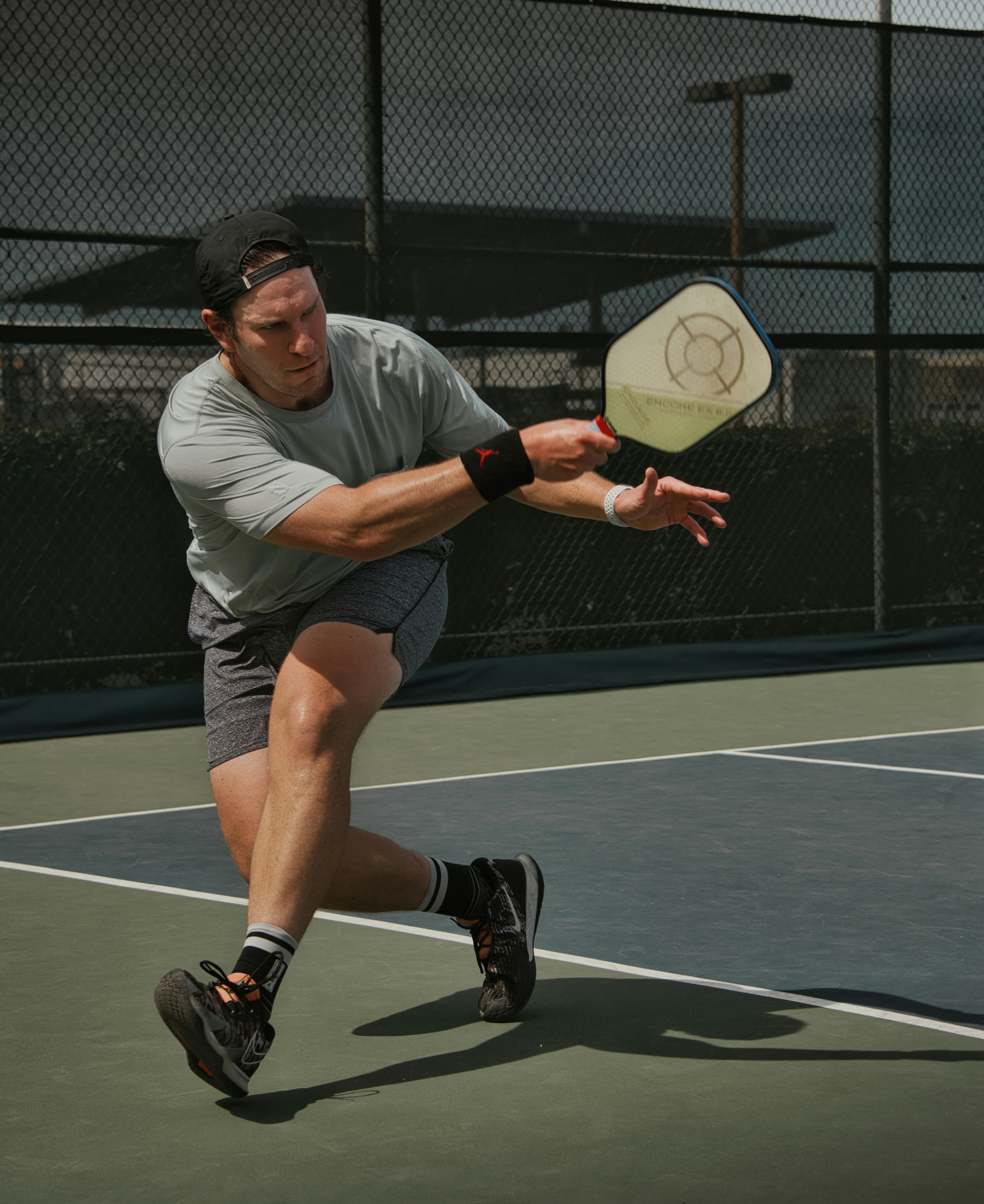
| Injury/ Condition | Common Causes in Pickleball | Typical Patient Treatments | Preventive Measures |
|---|---|---|---|
| Ankle Sprains | Quick lateral movements, sudden stops, pivots, poor footwork, and unstable landings. The most common foot and ankle injury in pickleball. | RICE (Rest, Ice, Compression, Elevation), bracing, physical therapy, strengthening exercises, and activity modification. | Wear court shoes designed for lateral movement, improve footwork, strengthen ankle muscles, and consider ankle braces if prone to instability. |
| Achilles Tendinitis | Repetitive running, lunging, explosive movements, and overuse of the calf-Achilles complex. | Rest, stretching, physical therapy, anti-inflammatory treatments, orthotics, and gradual return to activity. | Regular calf stretching, proper warm-up, strength training, and avoiding sudden increases in playing time. |
| Achilles Tendon Rupture | Sudden explosive acceleration or direction changes, especially in older players or those with pre-existing tendon degeneration. | Immobilization, rehabilitation, and often surgical repair depending on severity. | Address Achilles pain early, maintain flexibility and calf strength, and avoid overtraining. |
| Plantar Fasciitis | Overuse, repetitive impact on hard courts, inadequate footwear, and rapid increases in activity. | Rest, stretching, physical therapy, orthotics, shockwave therapy, laser therapy, injections, and in severe cases surgery. | Daily stretching, supportive court shoes, orthotics when needed, gradual activity progression, and proper recovery. |
| Stress Fractures | Repetitive impact, excessive training volume, sudden increases in activity, and inadequate recovery. | Rest, activity restriction, immobilization when necessary, and gradual rehabilitation. | Increase activity gradually, wear proper footwear, cross-train, and allow adequate recovery time. |
| Calf Strains | Explosive starts, sudden direction changes, inadequate warm-up, or muscle fatigue. | Rest, stretching, rehabilitation exercises, and progressive return to play. | Warm up thoroughly, maintain calf flexibility and strength, and avoid sudden increases in intensity. |
| Strains and General Soft-Tissue Sprains | Frequent side-to-side movements, quick accelerations, and repetitive loading. | RICE protocol, stretching, physical therapy, bracing, and temporary activity reduction. | Proper conditioning, dynamic warm-ups, strength training, and good movement mechanics. |
| Turf Toe | Forceful push-off movements and sudden stops that hyperextend the big toe joint. | Rest, taping, stiff-soled shoes, anti-inflammatory treatment, and rehabilitation. | Proper footwear, avoiding overuse, and maintaining lower-extremity strength and flexibility. |
| Bursitis | Repetitive pressure and friction around foot joints during court movements. | Rest, footwear modifications, anti-inflammatory treatments, orthotics, and activity modification. | Wear properly fitted shoes, reduce repetitive pressure points, and address biomechanical issues. |
| Neuromas | Repetitive forefoot stress, quick pivots, and pressure on nerves between the toes. | Orthotics, footwear changes, injections, activity modification, and surgical intervention in severe cases. | Shoes with adequate toe-box space, orthotics, and minimizing excessive forefoot pressure. |
| Metatarsalgia | Repetitive forefoot loading during quick stops, pivots, and forward weight shifts. | Offloading pressure with orthotics, accommodative inserts, footwear modifications, and activity management. | Proper shoe support, orthotics, and managing excessive forefoot loading during play. |
| Ankle Fractures & Fifth Metatarsal Fractures | Falls, awkward landings, severe ankle rolls, or high-impact directional changes. | Immobilization, casting or boot use, rehabilitation, and occasionally surgery. | Court-specific footwear, balance training, ankle strengthening, and avoiding unsafe court conditions. |

