Foot And Ankle Pain in Running
Cross-country runners and sprinters place repetitive stress on their feet and ankles with every stride, increasing the risk of conditions such as stress fractures, tendonitis, plantar fasciitis, and ankle instability. If you’re experiencing persistent foot or ankle pain, swelling, or recurring running injuries, our podiatry team can provide expert evaluation and treatment to help you recover, prevent future injuries, and stay on track with your training.
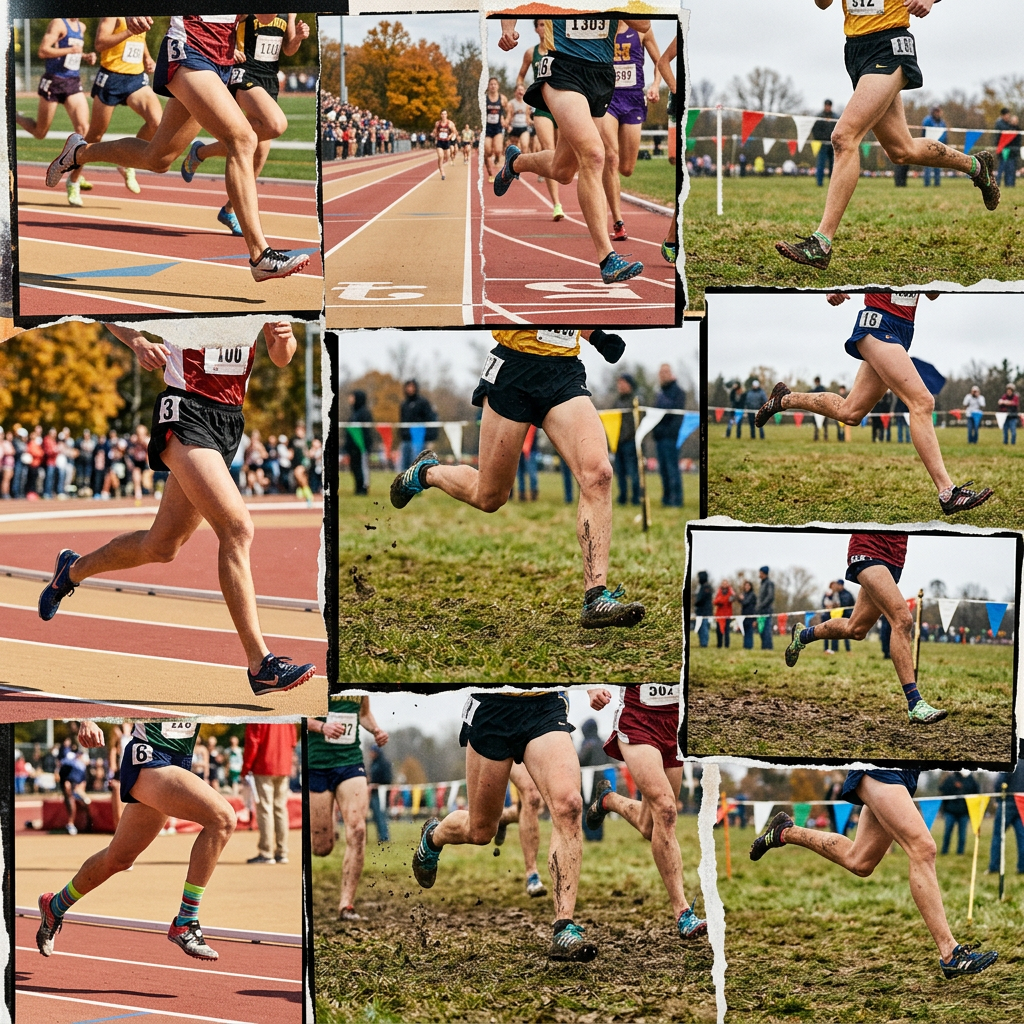
| Injury / Condition | Common Causes in Cross Country & Sprinting | Typical Patient Treatments | Preventive Measures |
|---|---|---|---|
| Stress Fractures | Repetitive impact from high-mileage training, sudden increases in mileage or intensity, inadequate recovery, and worn footwear. Commonly affects the metatarsals, calcaneus, navicular, and lower leg bones. Navicular stress fractures are particularly seen in sprinters and middle-distance runners. | Activity restriction, immobilization when necessary, protected weight-bearing, rehabilitation, and gradual return to running. | Increase training gradually, maintain proper nutrition, allow adequate recovery, and replace worn running shoes regularly. |
| Achilles Tendinitis | Repetitive running, sprinting, hill training, explosive starts, tight calf muscles, and overtraining. | Rest, stretching, physical therapy, activity modification, anti-inflammatory treatment, and strengthening exercises. | Regular calf stretching, proper warm-ups, progressive training plans, and maintaining lower-leg strength and flexibility. |
| Plantar Fasciitis | Repetitive impact, increased mileage, hill running, poor footwear cushioning, tight calves, and biomechanical abnormalities. Often presents as heel or arch pain. | Stretching programs, orthotics, physical therapy, supportive footwear, ice, and activity modification. | Wear supportive running shoes, stretch the calves and plantar fascia, strengthen foot muscles, and avoid sudden increases in training volume. |
| Ankle Sprains | Uneven cross-country terrain, trail running, stepping on roots or rocks, awkward foot placement, and loss of balance during high-speed running. | RICE (Rest, Ice, Compression, Elevation), bracing, rehabilitation, balance training, and gradual return to activity. | Improve proprioception and balance, strengthen ankle stabilizers, and wear appropriate footwear for training surfaces. |
| Peroneal Tendinitis | Running on uneven surfaces, excessive ankle motion, recurrent ankle instability, and repetitive stress along the outside of the ankle. | Rest, physical therapy, bracing, strengthening exercises, and activity modification. | Improve ankle stability, strengthen supporting muscles, and address biomechanical abnormalities early. |
| Posterior Tibial Tendinitis | Overpronation, repetitive mileage, arch collapse during running, and excessive strain on the tendon supporting the arch. | Orthotics, bracing, physical therapy, supportive footwear, and strengthening exercises. | Use appropriate footwear, maintain arch support, and strengthen foot and ankle stabilizers. |
| Metatarsalgia | Repetitive forefoot loading during sprinting, racing, speed workouts, and high-volume running. | Orthotics, cushioning, physical therapy, activity modification, and footwear adjustments. | Ensure proper shoe fit, strengthen intrinsic foot muscles, and reduce excessive forefoot stress. |
| Heel Pain | Repetitive impact on the heel from running, poor shock absorption, tight calf muscles, and overuse. May occur independently or alongside plantar fasciitis. | Stretching, orthotics, physical therapy, supportive footwear, ice, and activity modification. | Maintain flexibility, wear supportive footwear, and progress training gradually. |
| Sesamoiditis | Repetitive pressure beneath the big toe joint during sprint starts, push-offs, and forefoot-dominant running mechanics. | Offloading pads, orthotics, activity modification, anti-inflammatory treatment, and rehabilitation. | Avoid excessive forefoot loading, wear properly fitted running shoes, and address pain promptly. |
| Extensor Tendinitis | Repetitive dorsiflexion, tight shoe lacing, high training volume, and overuse of the tendons on the top of the foot. | Rest, ice, footwear modifications, physical therapy, and activity reduction. | Ensure proper shoe fit, avoid overly tight lacing, and increase training volume gradually. |
| Blisters & Toenail Injuries | High mileage, repetitive friction, moisture accumulation, downhill running, and poorly fitted footwear. | Protective dressings, blister care, footwear modifications, nail management, and activity adjustment. | Wear moisture-wicking socks, properly fitted running shoes, and address hot spots early. |
| Muscle Strains (Foot, Calf, and Lower Leg) | Sprinting, interval training, explosive acceleration, fatigue, inadequate warm-up, and overtraining. | Rest, stretching, physical therapy, strengthening exercises, and progressive return to running. | Dynamic warm-ups, strength training, flexibility programs, and adequate recovery between workouts. |

