Foot And Ankle Pain in Volleyball
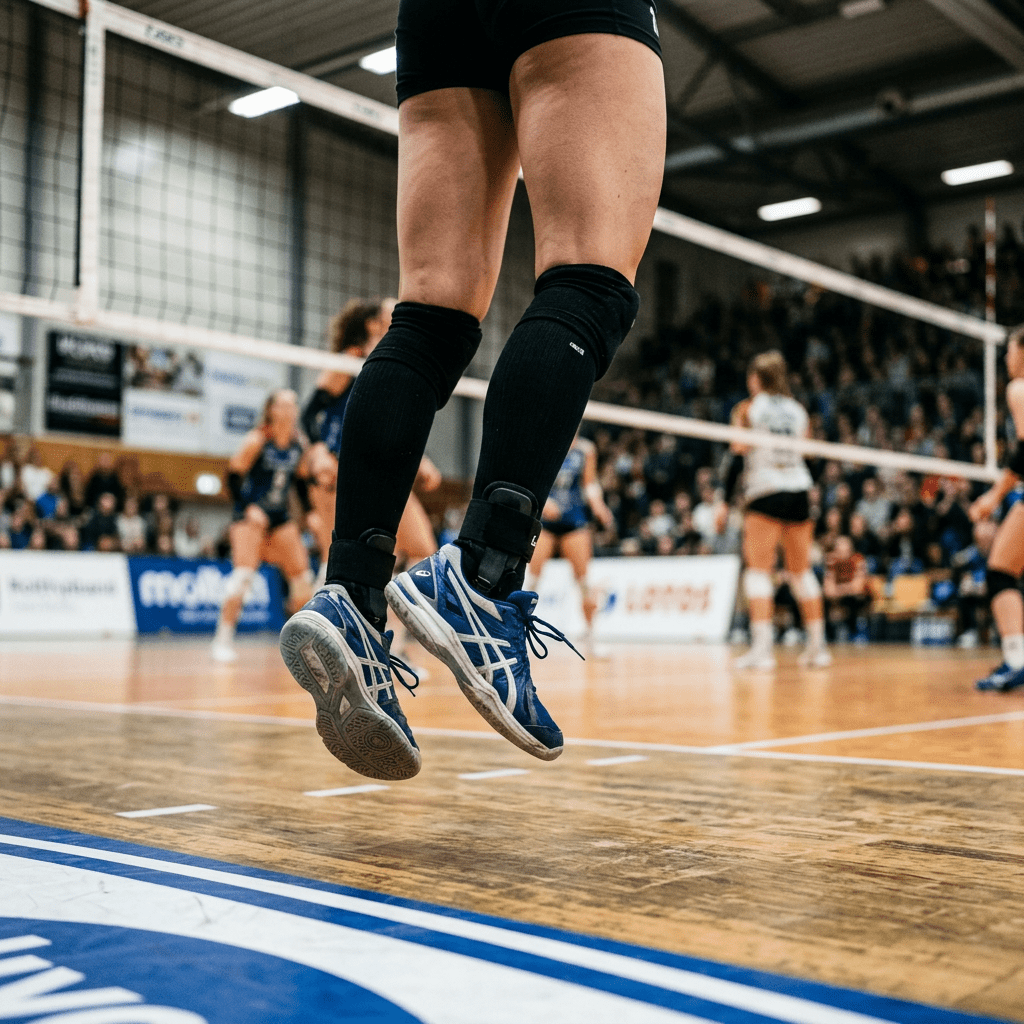
Frequent jumping, landing, and quick lateral movements can place significant stress on the feet and ankles. If you’re experiencing persistent pain, swelling, instability, or a volleyball-related injury, our podiatry team can provide expert diagnosis and treatment to help you recover safely and stay active on the court.
| Injury / Condition | Common Causes in Volleyball | Typical Patient Treatments | Preventive Measures |
|---|---|---|---|
| Ankle Sprains | Landing on another player’s foot at the net, awkward landings after jumps, sudden lateral movements, and quick direction changes. The most common foot and ankle injury in volleyball. | RICE (Rest, Ice, Compression, Elevation), bracing, physical therapy, balance training, and gradual return to play. | Improve landing mechanics, strengthen ankle stabilizers, perform balance exercises, and consider ankle bracing if recommended. |
| Chronic Ankle Instability | Repeated ankle sprains that have not fully healed or been properly rehabilitated, leading to ongoing weakness and instability. | Physical therapy, bracing, strengthening programs, balance retraining, and occasionally surgical intervention. | Complete rehabilitation after every sprain, strengthen supporting muscles, and address recurrent ankle injuries early. |
| Achilles Tendinitis | Repetitive jumping, explosive takeoffs, quick acceleration, and overuse from practices, games, and tournaments. | Rest, stretching, physical therapy, activity modification, anti-inflammatory treatment, and strengthening exercises. | Gradual training progression, regular calf stretching, proper warm-ups, and maintaining lower-leg strength and flexibility. |
| Plantar Fasciitis | Repetitive jumping and landing, hard court surfaces, prolonged practices, and inadequate foot support. | Stretching programs, orthotics, physical therapy, supportive footwear, ice, and activity modification. | Stretch the calves and plantar fascia, wear supportive athletic shoes, and avoid sudden increases in training volume. |
| Stress Fractures | Repetitive impact from jumping and landing, overtraining, inadequate recovery, and excessive court time. Commonly affects the metatarsals and lower leg bones. | Activity restriction, immobilization when needed, rehabilitation, and gradual return to sports participation. | Increase activity gradually, prioritize recovery, maintain proper nutrition, and seek evaluation for persistent pain. |
| Peroneal Tendon Injuries | Ankle inversion injuries, repeated ankle sprains, and excessive stress on the outside of the ankle during cutting and landing movements. | Rest, bracing, physical therapy, anti-inflammatory treatment, and occasionally surgical repair. | Improve ankle stability, strengthen supporting muscles, and properly rehabilitate ankle sprains. |
| Heel Pain | Repetitive jumping and impact loading that irritates the heel structures. May include plantar fasciitis or growth plate irritation in younger athletes. | Activity modification, stretching, heel support devices, physical therapy, and supportive footwear. | Wear proper court shoes, maintain flexibility, and manage training volume appropriately. |
| Sesamoiditis | Repetitive forefoot loading during jumping, landing, and explosive push-off movements. | Offloading pads, orthotics, rest, anti-inflammatory measures, and activity modification. | Reduce excessive forefoot stress, wear appropriate footwear, and address pain before it worsens. |
| Posterior Tibial Tendon Dysfunction (PTTD) | Overuse, repetitive jumping, and strain on the tendon that supports the arch and foot alignment. | Orthotics, bracing, physical therapy, activity modification, and strengthening exercises. | Maintain arch support, strengthen foot and ankle muscles, and seek treatment for persistent arch pain. |
| Metatarsal Fractures | High-impact landings, direct trauma, collisions, or repetitive stress from jumping activities. | Immobilization, protected weight-bearing, rehabilitation, and surgery when necessary. | Wear properly fitted court shoes, use proper landing technique, and address foot pain early. |
| Calcaneal Apophysitis (Sever’s Disease) | Repetitive jumping and running in growing athletes, causing irritation of the heel growth plate. | Activity modification, stretching, heel cups, supportive footwear, and physical therapy. | Manage training volume, maintain flexibility, and ensure proper footwear for young athletes. |
| Capsulitis / Synovitis | Repetitive impact and forefoot stress from jumping and landing, leading to joint inflammation. | Activity modification, orthotics, anti-inflammatory treatment, physical therapy, and footwear modifications. | Proper footwear, balanced training programs, and early treatment of forefoot pain. |
| Muscle Strains (Foot, Calf, and Lower Leg) | Explosive jumping, sudden acceleration, fatigue, inadequate warm-up, and repetitive high-intensity play. | Rest, stretching, physical therapy, strengthening, and progressive return to activity. | Dynamic warm-ups, strength training, flexibility programs, and adequate recovery between sessions. |

